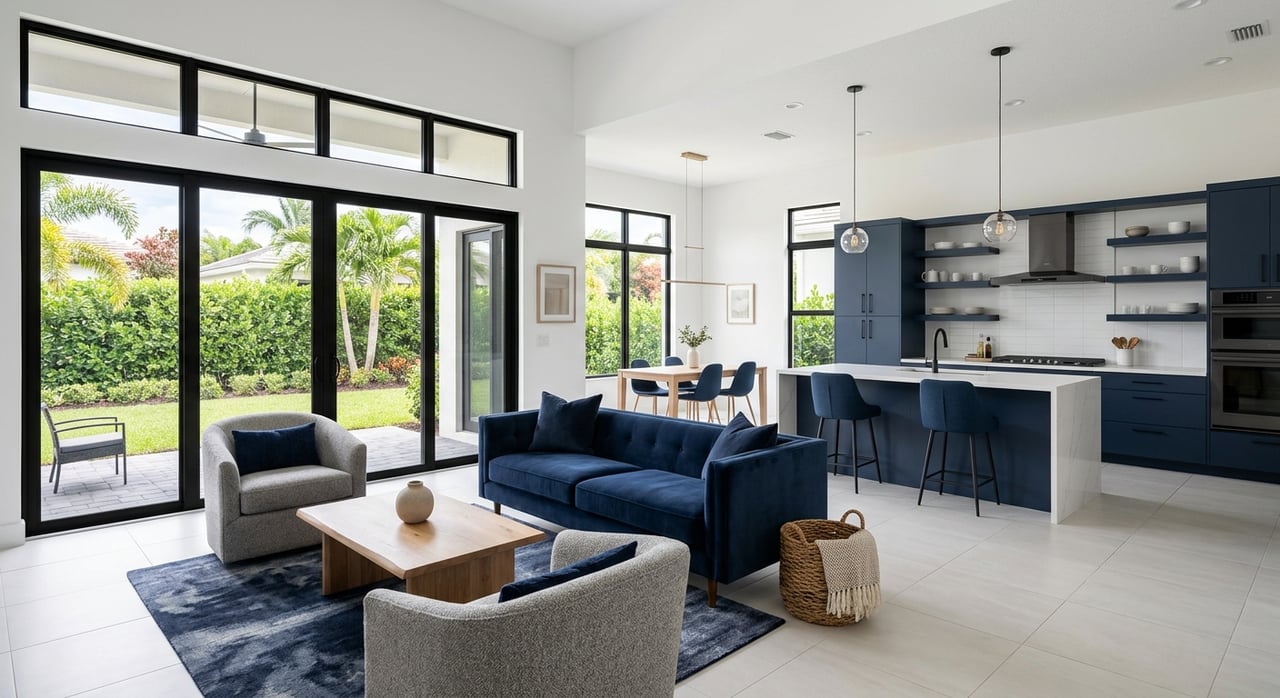
Buying a brand-new home in Davenport can feel exciting and a little overwhelming at the same time. You are not just choosing a floor plan and finishes. You are also moving through a local build process with permits, inspections, timeline updates, and final approvals that can affect your closing. This guide will help you understand how working with a builder usually unfolds in Davenport and what to watch for along the way. Let’s dive in.
Why builder purchases feel different
When you buy a resale home, most of the property already exists for you to inspect, evaluate, and close on. With a new construction home, you are often making decisions while the home is still being built or even before construction starts.
In Davenport, that means your purchase typically follows two tracks at once. One track is the normal homebuying process, which includes choosing a home, reviewing the contract, planning financing, and preparing for closing. The second track involves local permitting, inspections, and construction milestones handled through the City of Davenport and, in some cases, broader development coordination through Polk County.
The City of Davenport Building Department manages permit review, inspections, and plan review through its online portal. Polk County also plays a role in broader land development, including site review, floodplain matters, and infrastructure coordination in the area. For you as a buyer, this helps explain why builder timelines can shift and why communication matters so much.
What to expect from Davenport's build process
All new construction in Davenport requires a building permit. The city also requires contractors and subcontractors to be registered before a permit is issued, and it makes permit status and inspection results available through a public portal.
That matters because your home is not simply moving from framing to drywall on the builder's internal schedule. It is also moving through official checkpoints. If an inspection needs to be rescheduled or a document is still pending, your completion date may move.
For single-family homes, Davenport's permit checklist includes a few details buyers should know. Projects costing $5,000 or more require a recorded Notice of Commencement. The city also requires an engineered final survey before a Certificate of Occupancy can be issued.
If the property is in a Special Flood Hazard Area, an elevation certificate is required before slab inspection. That can add another important step early in the construction timeline, especially if you are comparing lots in different parts of the community.
As the home nears completion, Davenport has a clear final checkpoint. Before the Certificate of Occupancy is issued, the Building Final must be approved and the city must receive the final survey, insulation certificate, and blower door test. In simple terms, your home is not truly at the finish line until those items are complete.
How to compare builders in Davenport
A model home can be helpful, but it can also make every community look equally polished. The better approach is to compare builders based on what is actually included, what costs extra, and how the process works from contract to closing.
In many production-builder communities, you will tour one or more model homes and review several floor plans. The builder's sales representative will usually explain standard features and optional upgrades. You may also be able to choose appliances, countertops, flooring, cabinetry, and fixtures at different price points.
That is why it helps to ask practical questions instead of relying on first impressions alone. Focus on the details that affect your budget, timeline, and daily use of the home.
Smart questions to ask a builder
- What features are included in the base price?
- Which upgrades shown in the model are not standard?
- What are the HOA fees?
- How long is the estimated build time?
- What does the design-center process look like?
- Can you visit the home during construction?
- What are the key build milestones before closing?
- How are delays communicated to buyers?
These questions can help you compare one Davenport community to another in a more objective way. They also help you avoid surprises when the model home includes finishes that raise the final price well above the starting number.
Planning your design-center budget
The design center is where the home starts to feel personal. It is also where many buyers overspend if they walk in without a clear plan.
A smart first step is to review the builder's standard-feature list before your appointment. That gives you a baseline so you can tell the difference between what comes with the home and what costs more.
From there, think about your daily routine and where upgrades matter most. You may care more about durable flooring and kitchen cabinetry than decorative lighting or upgraded fixtures. The right choices depend on how you plan to use the home, not just what looks good in a sample display.
Prioritize upgrades with purpose
- Start with your must-haves before your nice-to-haves
- Focus on features that are hard to change later
- Compare upgrade pricing against your total monthly budget
- Keep the builder's standard features list with you during selections
This is one area where having experienced guidance can reduce stress. A clear, organized approach helps you stay aligned with your budget while still creating a home that fits your style.
Look beyond the base sales price
The advertised base price is only one part of what the home may cost you each month. Your full budget should account for the broader cost of ownership.
Monthly housing costs can include principal and interest, property taxes, mortgage insurance, homeowner's insurance, HOA fees, maintenance, repairs, and utilities. Depending on the property, you may also need supplementary insurance such as flood insurance.
This is especially important in Polk County, where flood risk is a real consideration. The county's Floodplain Management division advises buyers to check whether a property has flooded in the past or is located in a Special Flood Hazard Area. If it is, flood insurance may be required, and standard homeowner's insurance generally does not cover flood damage.
Costs to review before you sign
- Base purchase price
- Lot premium, if any
- Structural upgrades
- Design-center upgrades
- HOA fees
- Homeowner's insurance
- Possible flood insurance
- Property taxes
- Utilities and maintenance
If you are comparing multiple Davenport communities, this full-cost view gives you a much better picture than sticker price alone.
Builder deposits and lender choices
If the home is not yet built, the builder may ask for an upfront deposit. Before you move forward, ask when that deposit is refundable and under what conditions.
It is also important to remember that you do not have to use the builder's preferred lender. You can shop around and compare loan options, fees, and terms to see what works best for you.
Sometimes a builder's preferred lender may offer incentives. Sometimes another lender may offer stronger terms overall. The key is to compare the complete financing picture rather than assuming the first option is the best one.
Why timeline check-ins matter
New construction timelines often sound straightforward at the beginning. In reality, there are many moving parts, including permit status, inspections, utility coordination, and final city approvals.
Davenport's Public Services Department oversees utilities and storm drainage, which means neighborhood infrastructure is also part of the bigger picture. In a fast-growing area like Davenport and the broader Four Corners region, that coordination can affect pacing across a community.
For you, the practical takeaway is simple. Stay in regular contact with the builder as your home moves from one stage to the next, especially as completion gets closer.
Key milestones to watch
- Permit issuance
- Foundation and slab stage
- Framing progress
- Insulation and interior progress
- Final inspections
- Final survey submission
- Blower door test and insulation certificate
- Certificate of Occupancy
A well-managed builder purchase is often about keeping the lender, builder, and inspection process aligned so one delay does not create a larger chain reaction.
Do not skip an independent inspection
A new home is still a home under construction, which means issues can happen. Even if the builder has its own quality-control process, it is still wise to schedule an independent home inspection as soon as possible after choosing the home.
An inspector who is accountable to you can provide an honest assessment of the property's condition. If your contract includes an inspection contingency, significant issues may create room for renegotiation or, in some cases, cancellation.
An independent inspection can be especially helpful because it adds another layer of review before you close. It also helps you create a clear written list of items that may need attention before final walkthrough and closing.
Understand your builder warranty
Florida law gives buyers of newly constructed homes important protection. A builder must warrant a newly constructed home for defects in equipment, materials, or workmanship that cause a material violation of the Florida Building Code for one year after title transfer or occupancy, whichever comes first.
Some builders also provide longer express written warranties. If they do, those terms may go beyond the statutory baseline and can control how coverage works during that period.
Builder warranties are often limited by component or system. In many cases, workmanship and materials coverage lasts about one year, systems such as HVAC, plumbing, and electrical may carry longer coverage, and major structural defects may be covered for a longer period.
The most important step is to read the warranty carefully and keep records. If you need to make a claim, submit it in writing and save copies of emails, forms, and notes from conversations.
How the right guidance helps
Working with a builder in Davenport is not just about choosing the prettiest model. It is about making informed decisions through each stage of the process.
Practical support can make a real difference. That includes helping you compare standard features versus upgrades, reviewing HOA and insurance costs, watching permit and Certificate of Occupancy milestones, and keeping your lender, builder, and inspector moving in sync.
If you want a smoother, more informed new-construction experience in Davenport, Apex Serhant can help you navigate the details with a concierge-style approach that keeps your goals front and center.
FAQs
What should you ask a builder when buying a new home in Davenport?
- Ask what is included in the base price, which model-home features are upgrades, what the HOA fee is, how long the build should take, how the design-center process works, and how construction updates are shared.
What local approvals matter for a new construction home in Davenport?
- The City of Davenport requires permits for new construction and tracks inspections through its portal, and a home must complete final approvals, including required documents, before a Certificate of Occupancy is issued.
What flood-related issue should buyers check for a Davenport home?
- You should check whether the property is in a Special Flood Hazard Area or has flooded in the past, because flood insurance may be required and standard homeowner's insurance generally does not cover flood damage.
What costs should buyers budget for beyond the builder's base price?
- In addition to the purchase price, review possible upgrade costs, lot premiums, HOA fees, property taxes, homeowner's insurance, possible flood insurance, utilities, maintenance, and repairs.
What warranty protection comes with a newly built home in Florida?
- Florida law requires a one-year warranty for certain qualifying defects tied to equipment, materials, or workmanship that materially violate the Florida Building Code, and some builders may offer longer written warranty coverage.
Why should buyers get an independent inspection on a new Davenport home?
- An independent inspection gives you an assessment from a professional who works for you, helps identify issues before closing, and can support repair requests or other decisions if problems are found.