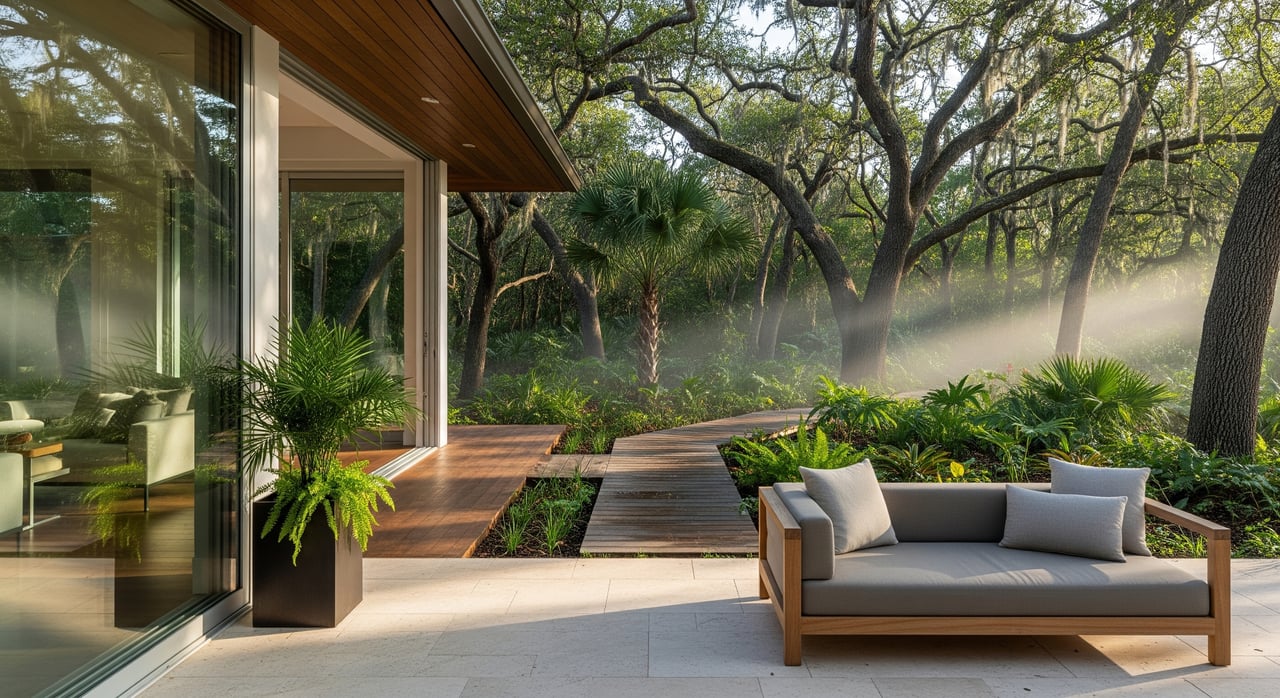
Love the idea of stepping onto a lakeside path for your morning run? In Altamonte Springs, trails and parks are close to many homes, which makes daily outdoor time simple. You also need a plan for privacy, water, wildlife, and maintenance so trailside living stays easy. In this guide, you’ll learn how to design, buy, or sell a trailside home with confidence. Let’s dive in.
Trail access in Altamonte Springs
Cranes Roost Park highlights
Cranes Roost Park anchors Uptown Altamonte with a paved loop around the lake, boardwalks, and an amphitheater for events. It’s a high‑activity urban park with posted rules, including bike and scooter restrictions within some plaza areas. Expect event days to bring extra foot traffic and sound. Review current hours and rules on the city’s Cranes Roost Park page before planning daily routines or guest access at your home. Explore Cranes Roost Park details.
Lake Lotus Park insights
Lake Lotus Park is a city nature preserve with boardwalks through woods and wetlands. Portions of the boardwalk or fishing pier may close for restoration. If you intend to rely on the park for regular access, check for current status updates first. Check Lake Lotus Park updates.
Regional multi‑use trails
Altamonte Springs connects to the Cross Seminole Trail and the Seminole Wekiva Trail, which tie into larger regional systems. Trailheads, maps, and notices are posted by the county, and trails generally operate from dawn to dusk. If you plan to bike commute or host visiting cyclists, confirm any closures or construction notices. See Cross Seminole Trail information.
Plan for water and wetlands
Understand flood risk first
Before you buy or redesign, confirm your parcel’s flood zone on FEMA’s Flood Map Service Center. This helps you plan elevation, insurance, and resilient layout choices. If you need an elevation certificate or want to understand Letters of Map Amendment, use FEMA as your starting point and then speak with city staff for local records. Search FEMA flood maps.
Respect wetland buffers
Homes near wetlands or preserved land may be subject to setbacks and buffer requirements. Verify boundaries and easements before you add fences, outbuildings, paths, or hardscape. When in doubt, contact city or county development staff and your HOA to avoid redesigns later.
Design for privacy and access
Layered native buffers
Trade tall solid walls for layered plantings that blend privacy with airflow and wildlife support. Combine native shrubs, small trees, and a lower flowering layer to soften views from the trail while reducing upkeep. For plant selection that fits Seminole County conditions, use guidance from UF/IFAS. Browse UF/IFAS native plant tips.
Thoughtful gates and sightlines
If your lot abuts a public trail, keep the property line clear and consider a gate for controlled access. Make sure fences and plantings maintain sightlines where required and do not intrude on any easements. Confirm HOA rules before you install lighting, gates, or new landscape screens.
A trail‑friendly entry
Create a small gear zone near your most-used door. Add hooks, a bench with drainage, bike storage, and outlets if you use e‑bikes. Covered, ventilated storage makes daily rides easier and protects gear.
Outdoor living built for Florida
Screened spaces that work
Screened porches and enclosed lanais help you enjoy evenings without mosquito interruptions. Pair screening with ceiling fans and landscape practices that prevent standing water. For whole-yard comfort, lean on county mosquito control resources. Use Seminole County mosquito control guidance.
Thoughtful lighting
Choose shielded, warm-spectrum fixtures to reduce glare into trail corridors and respect neighbors. Good lighting design also helps protect nocturnal wildlife.
Smarter hardscape
Permeable pavers and similar surfaces can reduce runoff and support on‑site stormwater management. In the right soils, they also help filter pollutants and minimize the need for bigger drainage features. Learn about permeable pavement benefits.
Durability and storm readiness
Select impact-rated windows or shutters and rot-resistant outdoor materials. Elevate mechanical systems where appropriate and keep electrical panels protected. Build to local wind design standards and maintain roof, screens, and drainage ahead of storm season. These steps add resilience and peace of mind.
Wildlife‑safe living near water
Freshwater areas in Florida can host alligators and other wildlife. Never feed wildlife, secure trash, and keep pets away from water’s edge. If you encounter a nuisance animal, use state guidance and hotlines. Review living‑with‑alligators safety tips.
Market impact and upkeep
Trails and greenways often support nearby home values when the spaces are well‑designed and maintained, though effects vary by context. Studies highlight neutral to positive impacts, with premiums depending on trail quality and neighborhood factors. For pricing in Altamonte Springs, lean on local comps and current condition. See a summary of trail impact research.
Ongoing tasks to budget for:
- Trim and refresh layered buffers, and manage invasives.
- Do weekly checks for standing water and clean gutters.
- Use resilient turf or groundcover at trail‑edge zones.
- Complete pre‑storm checks and post‑storm repairs.
Buyer and seller checklist
- Verify flood zone and review elevation data on FEMA’s map before you bid or draw plans. Check FEMA maps
- Confirm wetland buffers, easements, and any public right‑of‑way along the lot edge.
- Review HOA rules for fences, gates, exterior lighting, and landscape updates.
- Check current park and trail notices before you rely on specific access points. See Cross Seminole Trail updates
- Plan screened outdoor living and a gear zone for bikes and running.
- Choose native plants suited to Seminole County for a low‑maintenance buffer. Get UF/IFAS plant guidance
- Follow local wildlife safety practices and secure trash and pet areas. Read alligator safety tips
Ready to design, buy, or sell trailside?
You deserve a home that makes the most of Altamonte Springs’ parks and trails without adding stress. Our team pairs neighborhood insight with premium marketing to present lifestyle benefits clearly and sell with confidence. If you’re exploring a trailside move or want to position your property for top attention, connect with Apex Serhant for a thoughtful, concierge‑style plan.
FAQs
What trail and park options are near homes in Altamonte Springs?
- You’ll find Cranes Roost Park, Lake Lotus Park, and regional links like the Cross Seminole Trail; check city and county pages for rules and any closures.
How do I check flood risk for a specific Altamonte Springs property?
- Use FEMA’s Flood Map Service Center to locate your parcel, then consult city staff about any elevation certificates on file.
What plants work best for privacy next to a trail in Seminole County?
- Layer native shrubs and understory plants recommended by UF/IFAS to balance privacy with low maintenance and habitat benefits.
Do trails raise home values in Altamonte Springs?
- Research shows neutral to positive effects that depend on trail quality and context; use local comps to gauge current impact.
How can I reduce mosquitoes around a trailside yard?
- Keep water from collecting, maintain screens, and follow Seminole County mosquito control guidance for prevention and services.