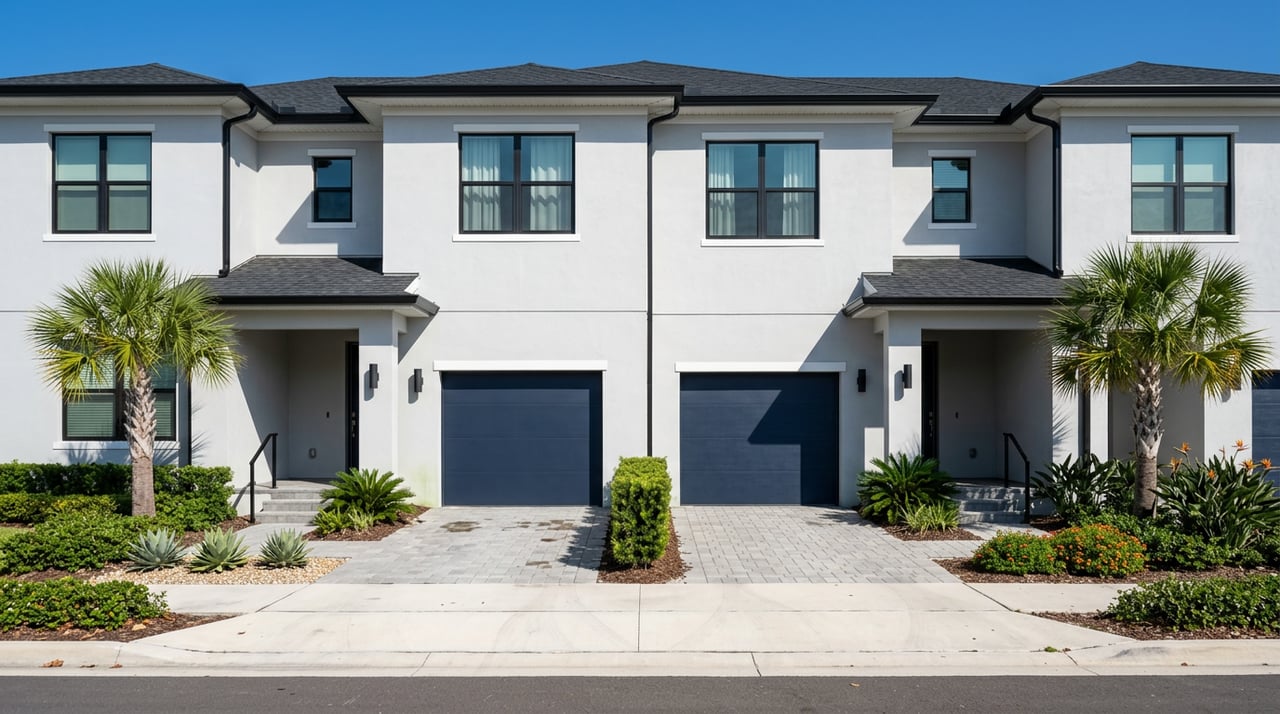
Dreaming of a low‑maintenance place near Cranes Roost, or a yard with room to play? In Altamonte Springs, both townhomes and single‑family homes can be smart buys, but they deliver very different day‑to‑day experiences. You want clarity on costs, upkeep, privacy, and lifestyle before you choose. This guide breaks down the tradeoffs, local numbers, and a quick checklist so you can move forward with confidence. Let’s dive in.
Market snapshot in Altamonte Springs
Citywide medians sit in the low $200Ks as of late 2025. Realtor.com reported a median listing price near $215,000 in December 2025. Prices vary by neighborhood and property type. Uptown condos and many townhomes often list in the low $100Ks to $200Ks, while single‑family homes commonly run from the low $200Ks to $400K+ depending on location and condition.
The takeaway: focus on your micro‑market. A walkable townhome near events may cost less upfront than a larger single‑family home with a yard, but monthly HOA dues can offset that difference. Compare total monthly costs side by side before you decide.
What you maintain and what you pay
Townhome and condo ownership
Many townhome and condo communities in Altamonte Springs sit under an HOA. The association often handles exterior building care, common‑area landscaping, amenity upkeep, and sometimes utilities like water, sewer, or trash. Some communities also carry a master insurance policy for shared elements. This lowers your day‑to‑day workload but converts costs into recurring dues and potential special assessments. Always confirm responsibilities in the community’s governing documents. For a helpful overview of how HOAs typically split costs, see this guide to townhouse HOA responsibilities.
Local HOA fees vary widely based on age, size, and amenities. In Altamonte, you will see monthly dues under $100 in some smaller communities and several hundred dollars in amenity‑rich Uptown associations. Many Uptown buildings include water, trash, and pool or fitness facilities in their fees. Use each listing’s exact HOA fee and inclusions as your source of truth.
Single‑family responsibilities
With a detached home, you generally handle exterior maintenance and the yard. That means roof, exterior paint or siding, fencing, irrigation, lawn care, and driveways. Some single‑family neighborhoods also have an HOA, but it usually focuses on common areas and basic rules rather than your home’s exterior. You gain more control and flexibility, yet your time commitment and variable costs can be higher.
Property taxes and local notes
Seminole County periodically adjusts its millage rates as part of the budget process. Recent county budgeting materials discussed a proposed 0.5‑mill change for FY 2025–26, which would be roughly $48 per year per $100,000 of taxable value if adopted. For a specific property, rely on the most recent TRIM notice and current millage rates published by the county. You can review county millage updates on the Seminole County budget page.
County‑level data suggests a typical effective property tax burden in the ballpark of about 0.6 to 0.8 percent of property value, but actual bills vary by city, zip code, exemptions, and special districts. For a rough benchmark, explore county tax statistics for Seminole County at this data resource, then use the property appraiser and tax collector tools to estimate a specific address.
Insurance and flood considerations
Florida homeowners insurance runs higher than the national average, with many published estimates in the low‑to‑mid $3,000s per year for sample profiles. Inland areas like Altamonte Springs typically cost less than coastal counties, but quotes still vary based on roof age, construction type, and claims history. For a current overview of Florida insurance trends, see ValuePenguin’s Florida homeowners guide. Always get quotes tied to the exact address.
Flood risk is property‑specific. Altamonte Springs participates in the NFIP, and flood zones vary parcel by parcel, especially around inland lakes. Lenders usually require flood insurance for homes in Special Flood Hazard Areas. Check the FEMA map for your target address and ask for an elevation certificate when needed. Start with the FEMA NFIP community resources for Florida.
Space, privacy, and amenities
Outdoor space and flexibility
Most single‑family homes in established Altamonte neighborhoods offer lot sizes around 0.20 to 0.25 acre, with room for playsets, pets, a garden, or a future patio. Townhomes and condos usually deliver a smaller private footprint, like a patio, balcony, or compact courtyard, plus shared green spaces that the HOA maintains. If you want to add a shed, expand a lanai, or install a pool, a detached yard typically offers a simpler path, subject to permits and any neighborhood rules.
Privacy and noise
Shared walls and denser layouts can increase the chance of noise in townhomes. HOA rules may also limit exterior personalization. Detached homes usually give you more buffer, fewer shared walls, and more control over your outdoor environment. These are common tradeoffs in attached vs detached living that apply locally as well. For a general explanation of townhome layouts and privacy considerations, this townhouse overview is helpful.
Walkability and lifestyle
If walkable convenience is high on your list, Uptown Altamonte is a standout. Cranes Roost Park anchors the area with a 45‑acre lakefront setting, a boardwalk, amphitheater, and regular events. Many nearby condo and townhome communities trade private yard space for on‑site amenities and easy access to dining, entertainment, and fitness.
Commuters also appreciate proximity to the SunRail Altamonte Springs station. SunRail runs Monday through Friday with schedules designed around peak commuter hours. If your office sits near a SunRail stop, a townhome or condo near the station can simplify your weekday routine.
Who each option fits best
Scenario A: Busy professional, “lock‑and‑leave”
A townhome or condo near Uptown suits you if you want low maintenance, on‑site amenities, and easy access to events, restaurants, and gyms. You might trade a private yard for a pool or fitness center on the property. Confirm what the HOA covers, how parking works, and how responsive management is before you buy.
Scenario B: Growing household seeking space
A single‑family home can deliver a private yard, more separation from neighbors, and extra storage or flex rooms. If school zoning matters in your search, verify assignments with the district and review third‑party resources that many parents consult, such as GreatSchools’ Altamonte Springs page. Always confirm boundaries directly with the district for your target address.
Scenario C: Downsizer prioritizing convenience
If you want a smaller footprint and a social community, a townhome or condo near Cranes Roost can be a great fit. Look for buildings with amenities like a pool or fitness center. Review HOA budgets and reserve funding, pet and guest rules, and any rental policies that may affect building dynamics or resale.
Cost factors to compare side by side
Create a simple worksheet for your top two or three properties. Compare real monthly costs, not just list prices.
- Mortgage principal and interest
- Property taxes and homestead exemption impact
- Homeowners insurance and flood insurance (if required)
- HOA dues and what they include (water, sewer, trash, master insurance, internet)
- Utilities not covered by the HOA
- Average maintenance and landscaping costs
- Commuting costs and parking
When you stack these items, a townhome with higher dues can still be the right move if you value time savings, amenities, and location. A single‑family home may cost a bit more to maintain but gives you privacy and flexibility that pay dividends in daily life.
Showing and offer checklist
Use these quick checks during showings and before you write an offer:
- HOA due diligence: request the HOA binder, including budget, reserve study, CC&Rs, and meeting minutes for the last 12 to 24 months. Ask about special assessments, owner‑occupancy ratio, rental caps, and what utilities are included in dues.
- Insurance and flood: get a homeowners insurance quote for the specific address. Check the flood zone on the FEMA NFIP map and ask for an elevation certificate if needed.
- Systems and exterior: for single‑family homes, confirm roof age and condition, drainage, fence, irrigation, and any recorded easements. For townhomes, clarify which exterior components the HOA covers and the schedule for roof or exterior painting.
- Commute reality check: if you plan to use SunRail, review the current frequency and hours on the SunRail schedule resource. If you drive, test your commute at the time you would normally travel.
How to choose your Altamonte fit
- Clarify your top three priorities. Examples: yard space, walkability, monthly budget, commute, or future flexibility.
- Compare total monthly costs for your finalists. Include HOA dues, insurance, and utilities.
- Test the lifestyle. Walk the neighborhood at night, attend an event at Cranes Roost, ride SunRail during peak hours, and try local shops.
- Confirm the fine print. Review HOA rules, pet policies, parking, and rental limits. Ask about any planned assessments.
- Plan for the next five years. Consider whether you may need a home office, space for guests, or room for a hobby and whether the property type supports that.
If you want help balancing these tradeoffs, a local advisor can compress weeks of research into a few focused tours. With the right guidance, you can pick the property that fits your budget and how you actually live.
Ready to compare options, tour the right communities, and run the numbers with clarity? Connect with Apex Serhant for a personal game plan and a smooth, hospitality‑driven buying experience.
FAQs
What is the current median home price in Altamonte Springs?
- Recent reports show citywide medians in the low $200Ks; Realtor.com reported a median listing price near $215,000 in December 2025. Always verify up‑to‑date figures for your specific property type.
Do townhomes in Altamonte Springs have high HOA fees?
- Fees range widely. Some communities charge under $100 per month, while amenity‑rich Uptown associations can run several hundred dollars and may include utilities like water and trash. Check each listing’s current dues and inclusions.
How do property taxes compare for townhomes vs single‑family?
- Taxes depend on assessed value, exemptions, and local millage, not the property type itself. Seminole County’s effective tax burden often falls around 0.6 to 0.8 percent of value, but you should use county tools to estimate a specific address.
Do I need flood insurance in Altamonte Springs?
- It depends on the parcel. Many homes are not in high‑risk zones, but inland lakeside or low‑lying lots can be. Lenders typically require flood insurance for homes in Special Flood Hazard Areas. Check your address on FEMA’s Florida NFIP page and request an elevation certificate if needed.
Is a townhome near Cranes Roost good for commuters?
- It can be. Uptown areas offer walkability and proximity to the SunRail station with weekday service during commute hours. Review the current schedule and test your route during peak times to confirm it fits your routine.